Six Voices. One Question.
A reflection on dignity, compassion, and where we choose to stand

It’s easy to believe in humanity. But what do we do when it’s hard?
There is a version of humanity that’s easy.
It lives in simple language.
In shared values.
In ideas that feel right when spoken out loud.
But there is another version.
It shows up when something is uncomfortable.
Incomplete.
Unresolved.
It asks a deeper question:
Where do you stand?
Not just when it’s easy, but when it’s complicated.
This series came together around that tension.
Not to find the answer.
But to sit with the question.
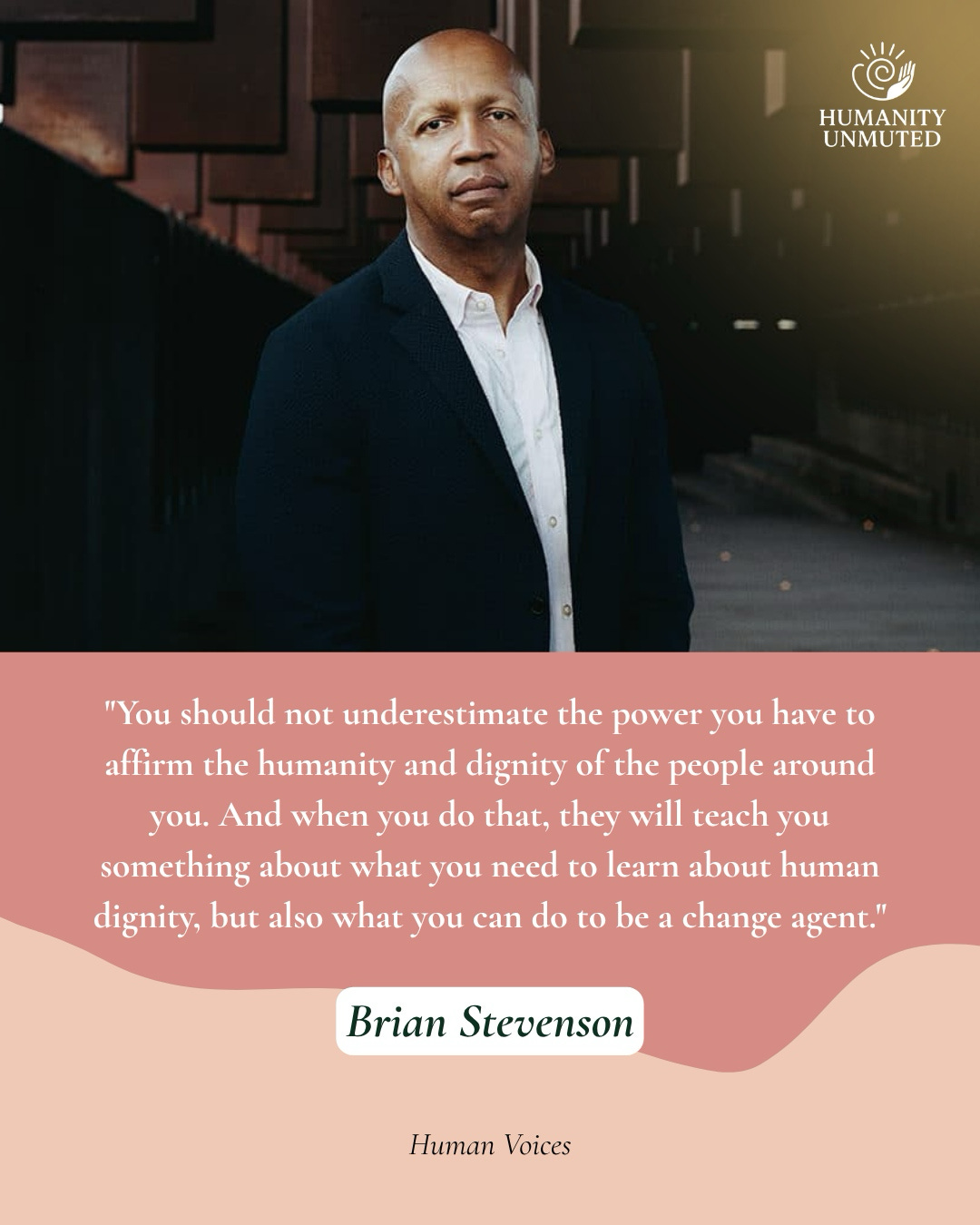
Some voices bring us back to the foundation.
Bryan Stevenson spent his life naming something that should be straightforward.
Instead, it’s debated.
Human dignity is not conditional.
It’s not revoked because of a moment,
a mistake,
or a label.
It isn’t selective.
It isn’t situational.
It’s absolute.
His work doesn’t ask us to agree.
It asks us to live it.
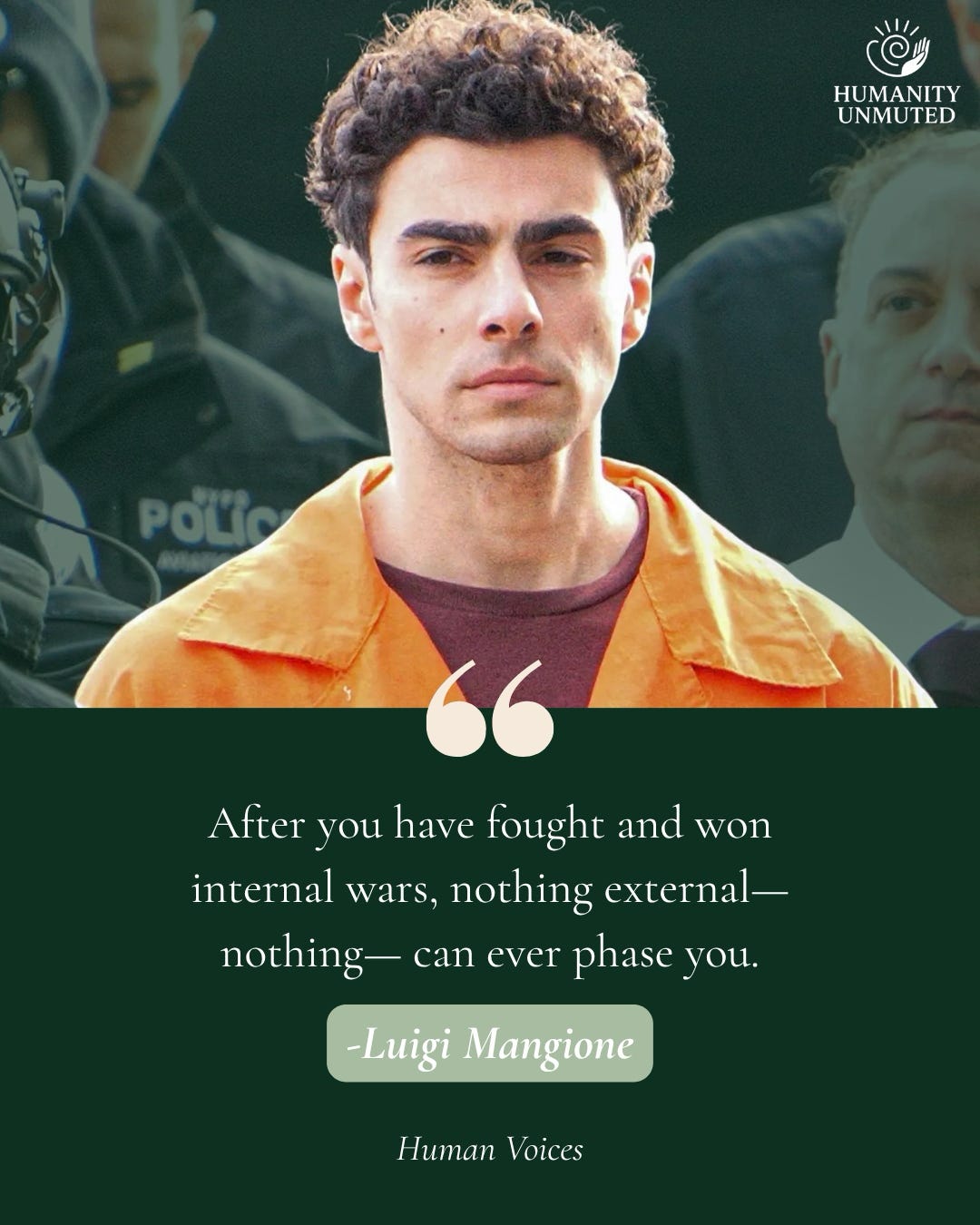
Some voices test our resolve.
A person’s life isn’t just what’s on display.
A lot of it lives under the surface.
What they’ve worked through,
What they’ve carried,
The journey they’ve taken to become who they are.
Internal battles may be invisible.
But they shape everything.
This is when dignity becomes real.
Not as lip service,
But as something extended, without knowing the full story.
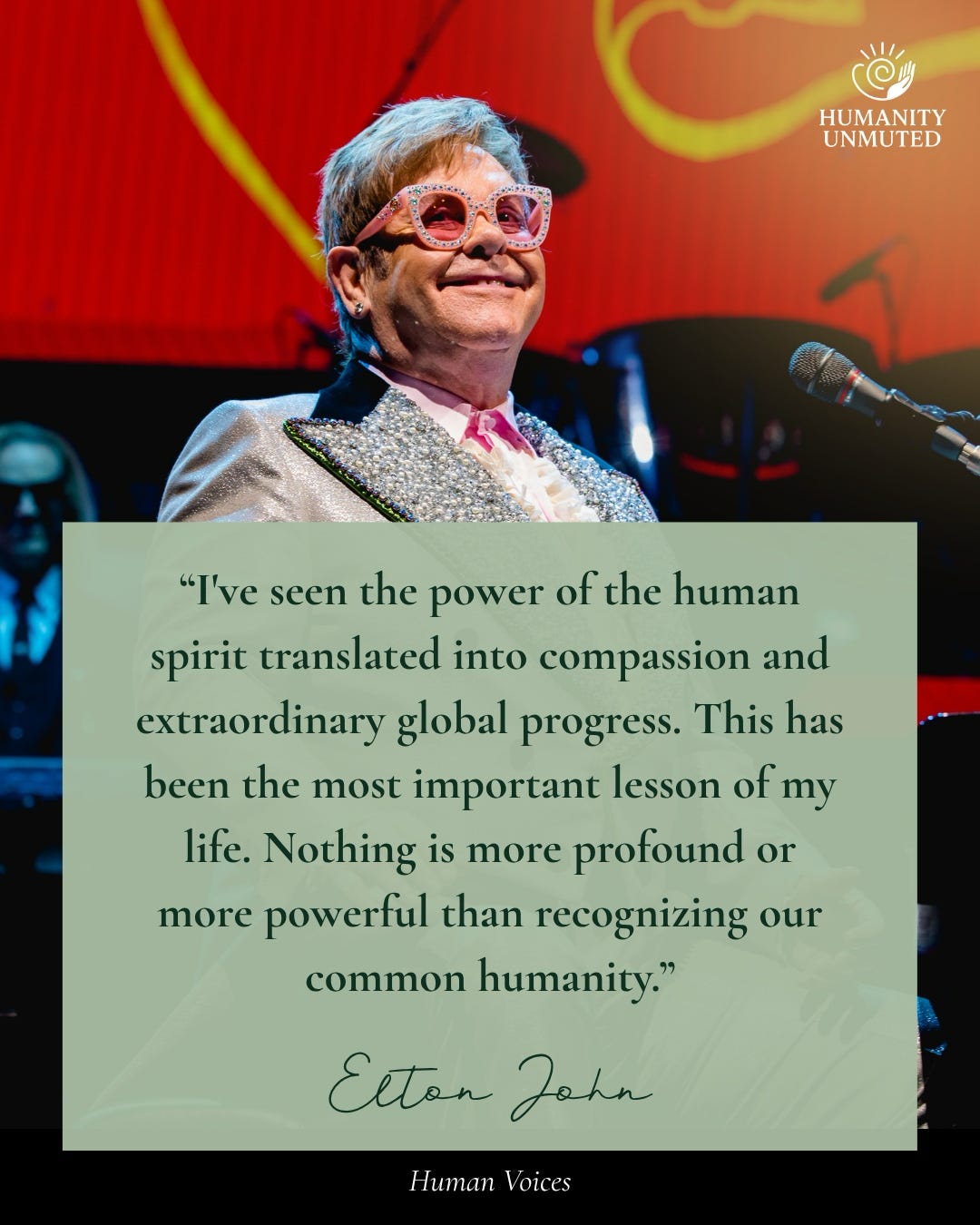
Some voices welcome the world in.
Shared humanity is not abstract.
It creates community.
Compassion can’t exist in isolation.
It is built through connection and understanding.
It is built by people willing to see past differences.
Progress closes the distance and recognizes our commonalities.
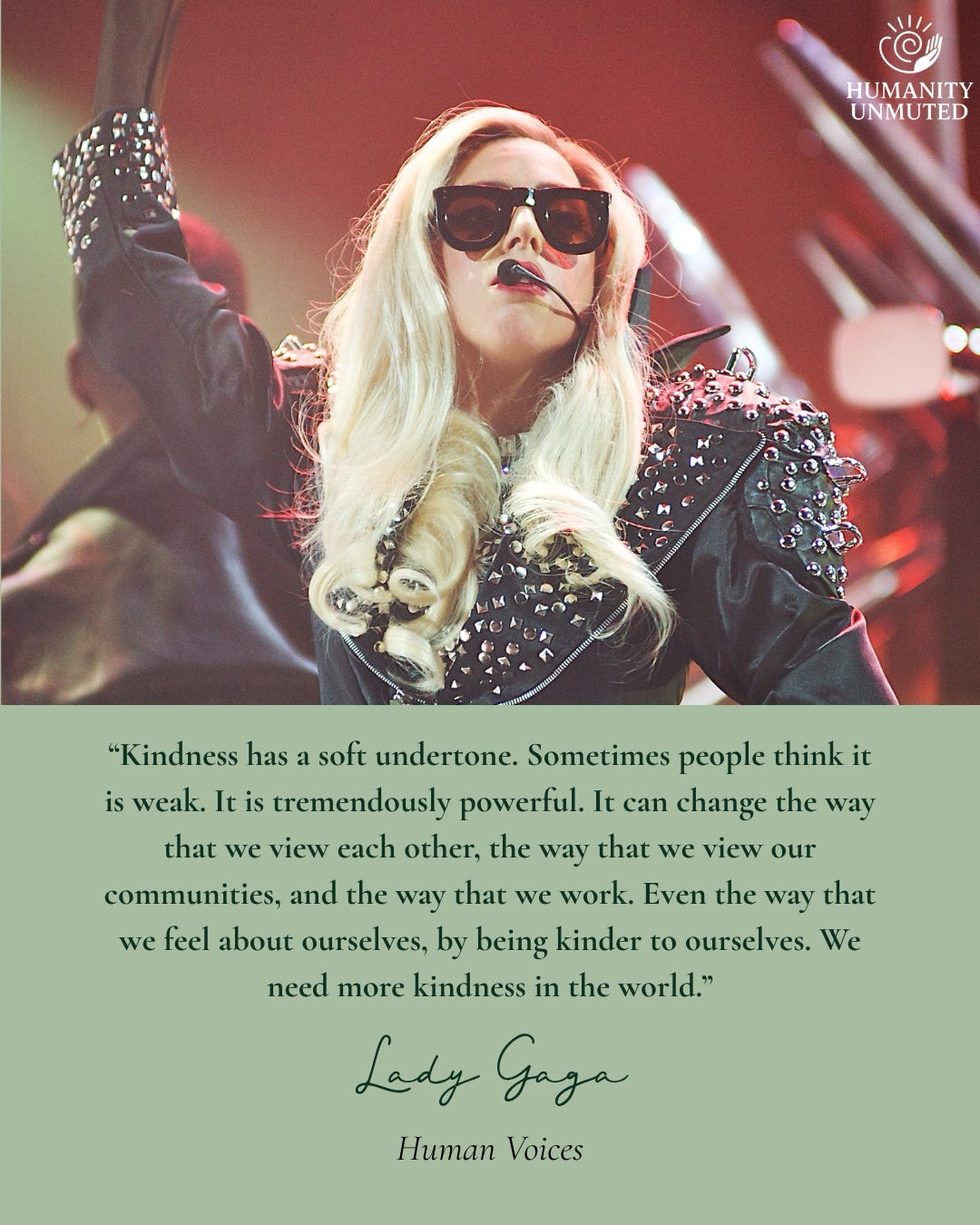
Some voices turn things upside down.
Kindness is often thought of as something small,
Something soft,
Something optional.
But treating people with dignity, especially when it’s unpopular, takes intention.
It shapes our perception.
Our responses.
Our acceptance.
It is not passive. It drives decisions.
And those decisions become culture.
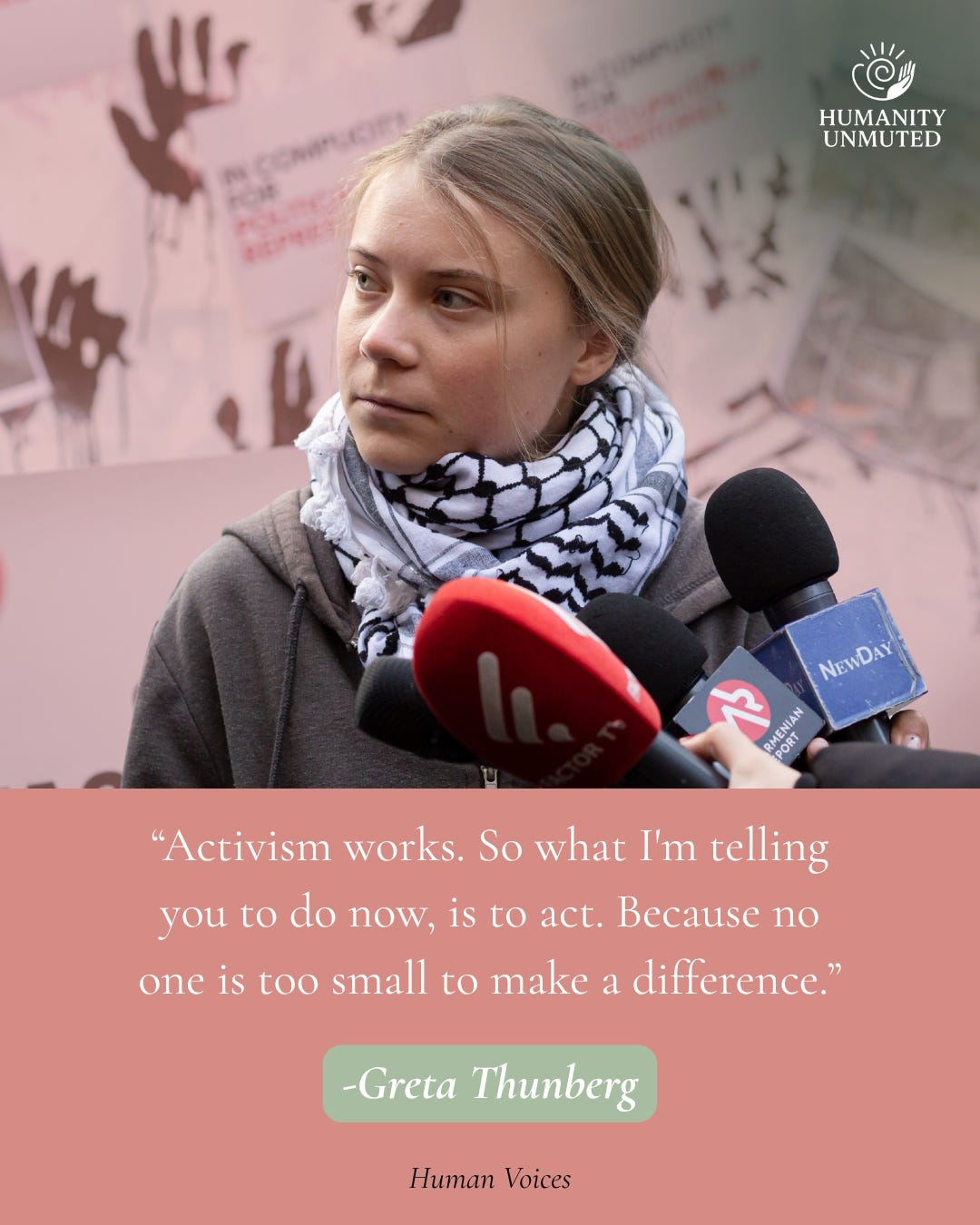
Some voices inspire action.
Change doesn’t begin with alignment.
It begins by refusing to accept the status quo.
Not because it’s easy.
Not because it’s guaranteed.
But because it’s necessary.
The lie that one voice is too small has been disproven.
Scale isn’t what matters.
The choice to take the first step makes the difference.
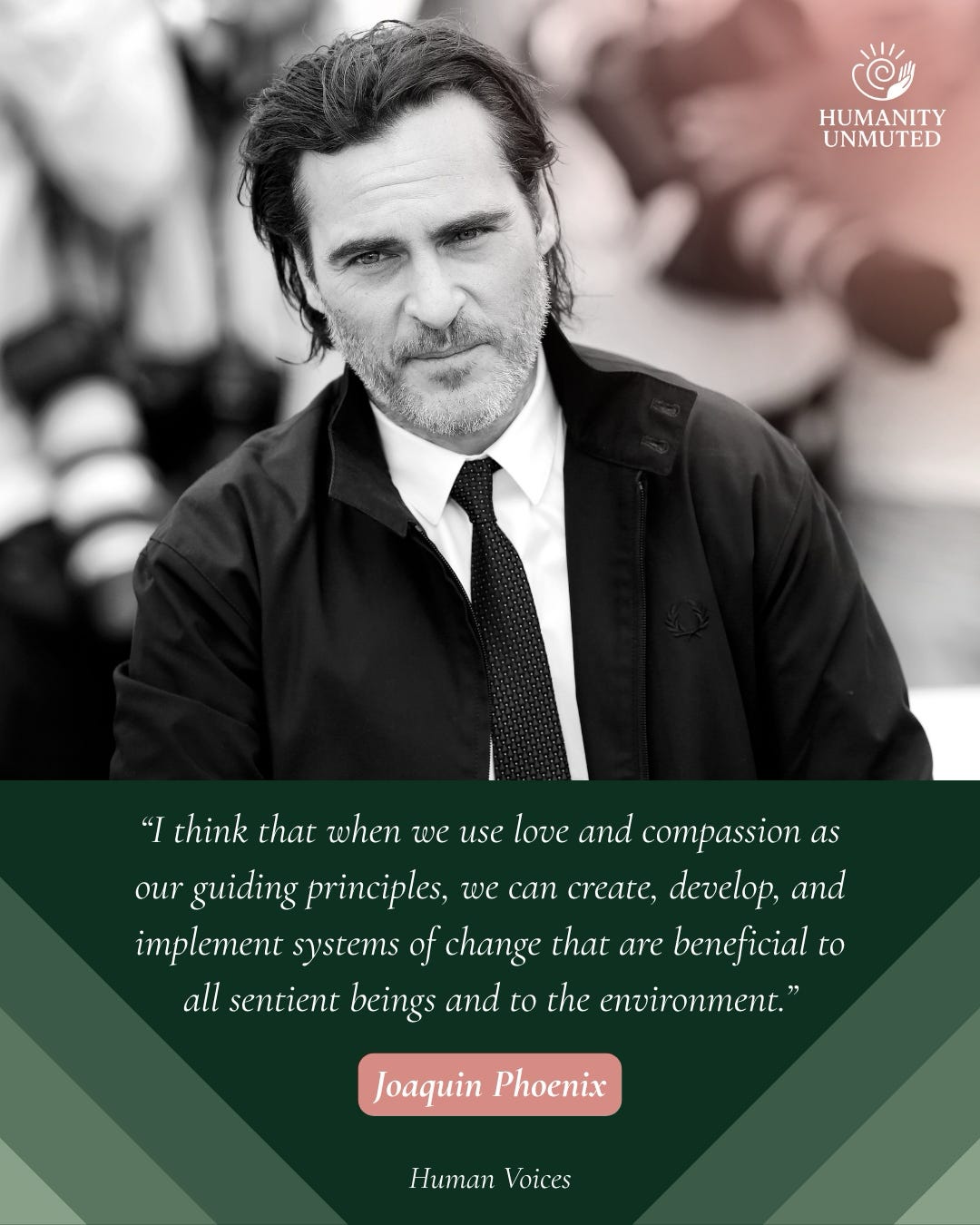
Some voices ignite a fire.
Compassion is power.
It doesn’t stay contained.
It shapes the systems we build.
The policies we accept.
The ways we define accountability and responsibility.
It becomes larger than a single belief.
It becomes direction.
Six voices.
Different lives.
Different experiences.
Different perspectives.
But all pointed in the same direction.
Not toward an idea.
Toward a way of life.
Belief in humanity is easy.
It’s harder to stand firm.
And that is where the work begins.
A reflection from Humanity Unmuted
Edited by Alyssa Kruse
Photo credits: WBUR; Rolling Stone; Shutterstock